
Intro
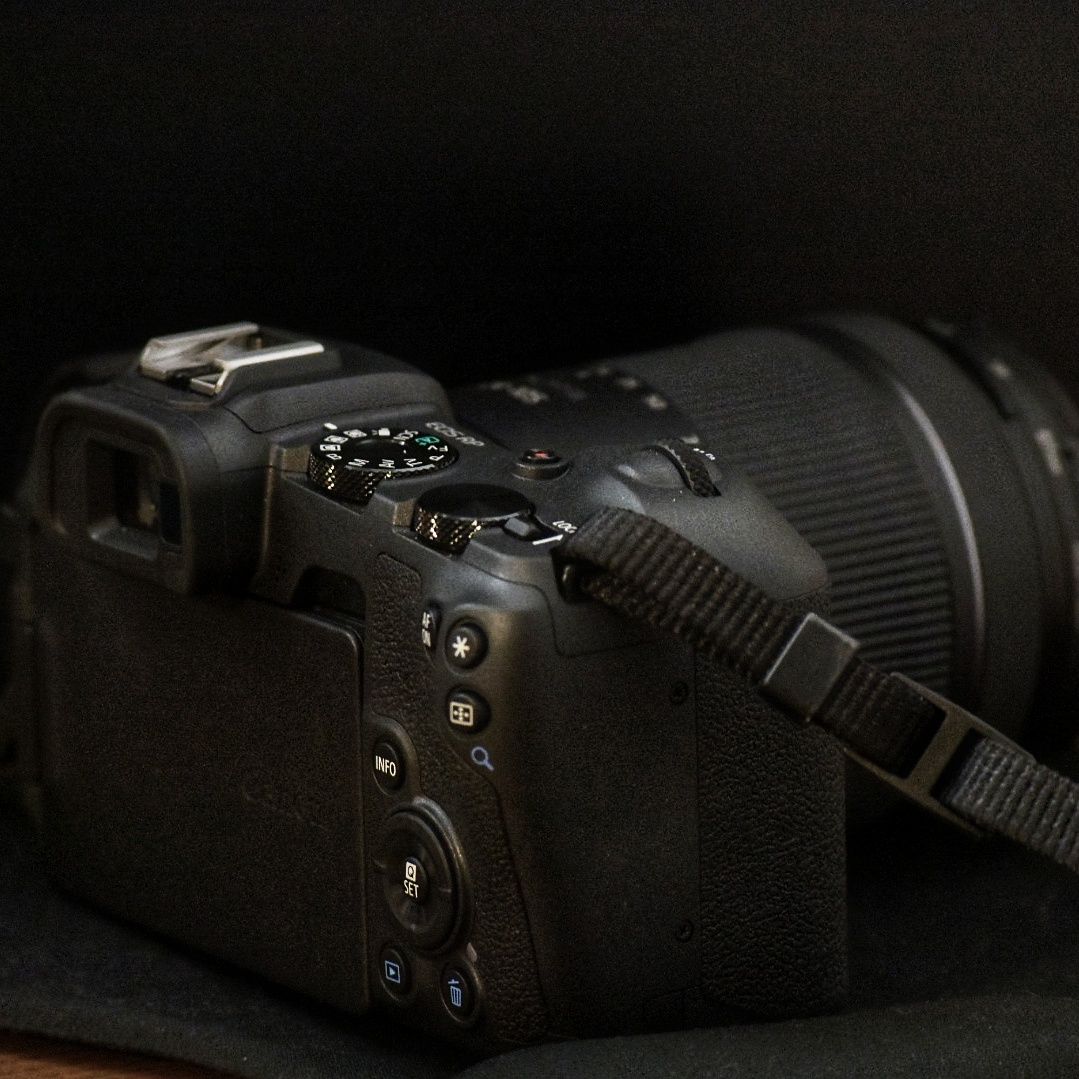
Canon EOS RP full frame digital camera. This is a kind of successor for my film camera, the Mamiya NC1000. Has focus peaking, great level of customization and weights 440g !

History
I have started into photography with the film camera. Learned about the triangle ISO, Speed and Apperture and how to shoot on manual or AE (aperture priority). The downside is manual focus, film operation, and not having faster access to the pictures . Not seeing the picture can also be an advantage, because I learned to be more focused before pressing the shutter. I learned to imagine how the picture will be and guessing the right settings. With time these advantages or disadvantages depend on the need of the moment. If I want to shoot moving subjects then is more complicated, but for stills or landscapes, this film camera is perfect for me. From the Mamiya experience, I started to dream of digital version. So, my next camera was Nikon d3400 with kit lens 18-55mm.
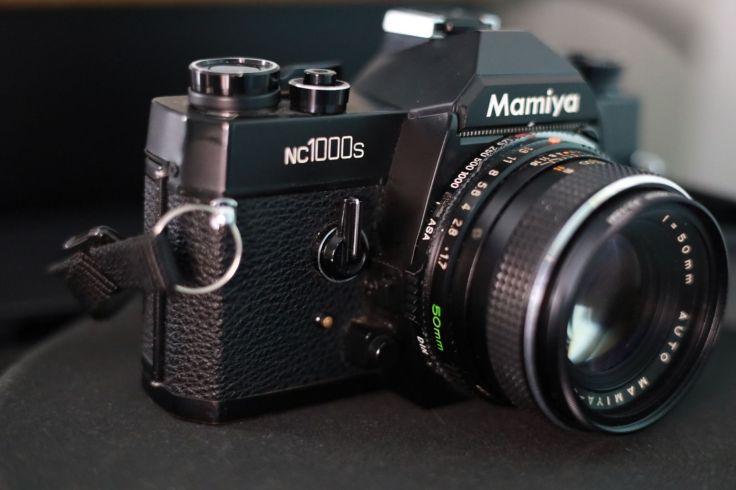
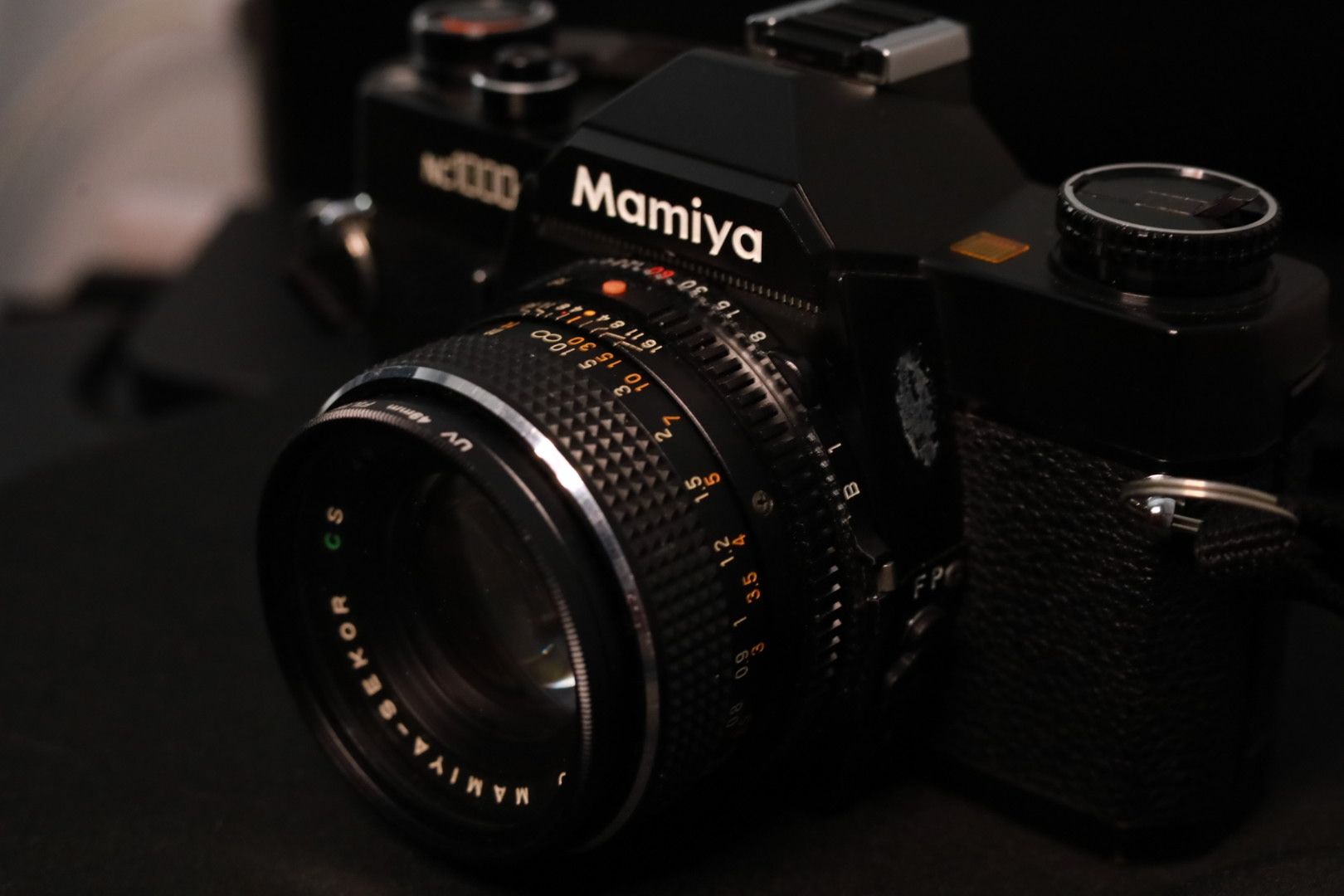
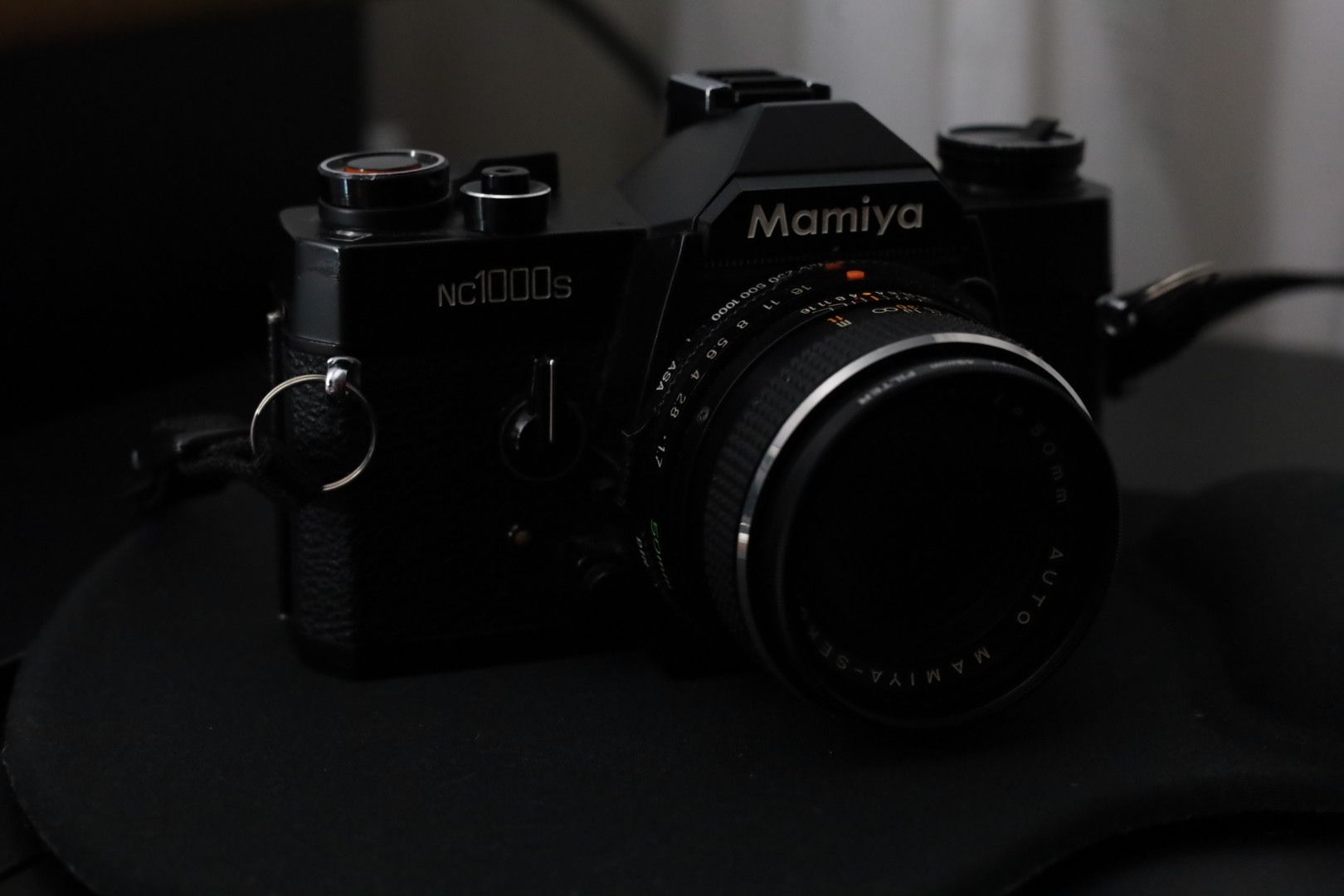
My first love: Mamiya NC1000. Bought this second hand camera from F64 back in July 2017. I like it for the compact size and available compact lens. Lenses that I own: 28mm f2.8, 50mm f1.8 and 135mm f2.8
I shoot casual because of time limit but I wish to own a business and shoot all the time. I can’t yet figure out a successful business idea. This, maybe in another post. A wish to become a reality needs a plan.
The search
For the last year I was searching a even smaller compact camera than the D3400 because I also wanted to be light and fast. I am also fond of the design of Olympus cameras and I like the size of Sony a6000, but after many searches and comparison analysis, I came (many times) to the conclusion that my d3400 is as much as compact as it gets.
- Is one of the smalles APS-C with good performance.
- It has great battery life – I forget to charge it.
- and great dynamic range. ISO is ok up to 6400.
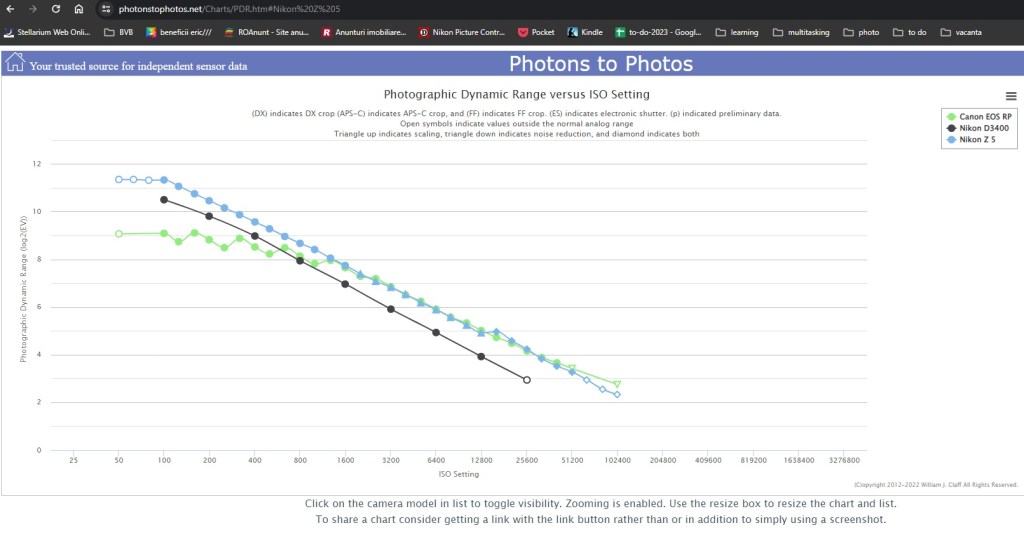
Decision
I came across a deal that I could not refuse: a Canon RP with the kit lens 24-105mm. When trying to decide about the camera, I thought that it is a bit old and that the price of full frame lenses is higher than cropped lenses.But the main reasons to go forward, was the full frame and lightweight. I also found out there are a couple of affordable prime lenses like the 16, 28 and 50mm that would make a compact camera for travel. The 28mm is a pancake lenses, even more compact than the DSLR D3400.
I read and watched some reviews:
https://www.kenrockwell.com/canon/eos-r/rp.htm#rex
https://www.dpreview.com/reviews/canon-eos-rp-review
https://cameradecision.com/compare/Canon-EOS-RP-vs-Nikon-D3400
https://youtu.be/UqEJQMXlIJ4
https://youtu.be/D3u-VGrtv3Q
I had no chance to test the RAW files because lately I came to realize that, in 90% of situations, I do not need to bring extra light into my photos. So I shoot raw in rare occasions. This because of my shooting profile: travelling is lower than in previous years, so I manly stick with walks arround my house.
From what I have read, it seems that the RAW files are not so great, and a lot of shortcomings in video. But, I am not interested in video, and hope that RAW processing is bringing more than the RAW files of Nikon 3400 in low light based on greater pixel size of the full frame.
I bought the camera and I am amazed about the features and level of customization, compared to my old gear. It has a lot of buttons that can be configured on the body. Some lenses have a ring and switch button that can be used for customization. For example, I have set the lens ring as both manual focus and ISO variator, based on the switch position of the lens.
I configured the three custom positions on the dial, c1, c2, c3 to be used as automatic, full manual, and hybrid.

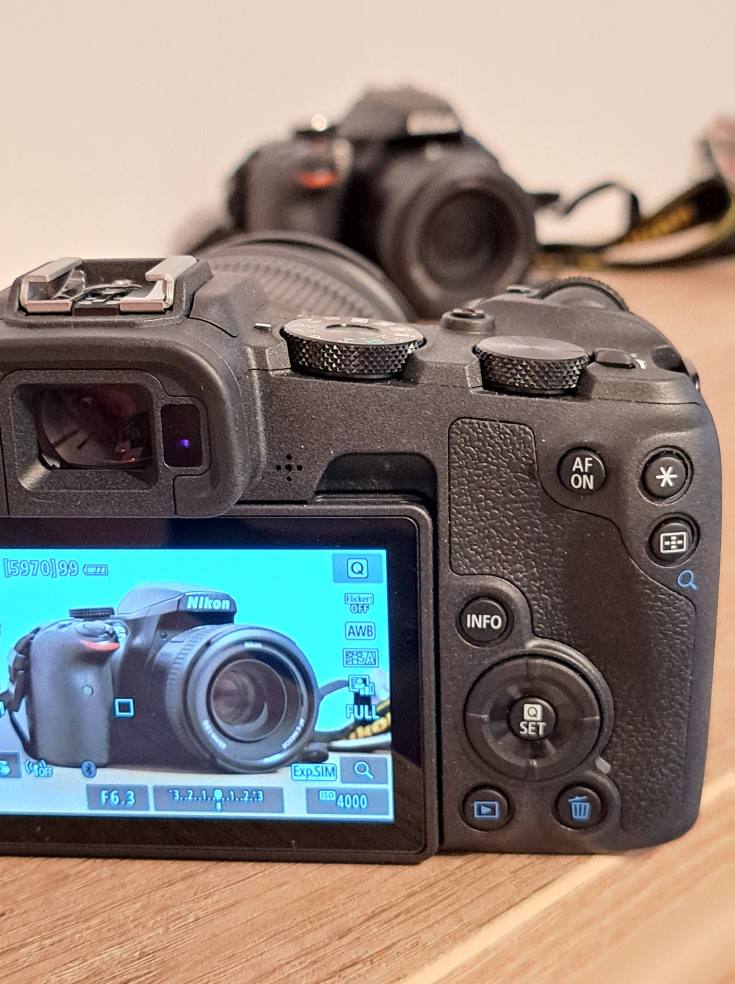
On the C3, I finaly decided to be used as follows:
- The REC button is used as dial button that switch between [AF selector], [single/ continuous shooting], ….
- The lens ring is used as ISO selector. If lens button is switched, then I can enter manual focusing with focus peeking.
- The Multi Function near the shutter is used for single or servo AF.
- And the * button on the back, same, for ISO. So, there are two ways to change the ISO – because this customization is in progress.
It is possible to configure the ‘*’ button for ISO, but it will only works temporary in conjuction with the shutter half pressed. It means, that it will revert to Auto ISO (or fixed ISO set in the respective C1,2,3 mode) after 8 second meter timer (you can set the timer in settings).
So I wanted to configure the REC with only ISO setting, but is not possible. For rest of the buttons, the ISO settings are only accesible by a virtual DIAL wheel. This virtual DIAL can be configured to any configurable buttons. So, I set my REC button as a dial with one option: that is the ISO. If I change the ISO by the virtual DIAL, then any subsequent change from ‘*’ button will be permanent (until power off).
Focus peaking
This is a nice feature. Unfortunately is not availble when zooming in, but still very helpfull in manual mode.
Battery
On Canon seems acceptable because I shoot less and less. But on Nikon is superb, much longer time before is dying.
Viewfinder
I was a bit scared about the viewfinder because of the resolution and possible lag and that it will go blank after each photo. I was wrong. There is no difference when compared with the DSLR. But there are some blank times when high speed shooting.


Compared to Nikon Z5
Compared to the Nikon Z5, it seems that there is no much difference. I have seen the direct comparison from Chelsea and Tony here. I made my decision to switch to Canon based on Ken Rockwell opinion that Canon has better customer service and that the lens adaptors are better on Canon. I was interested on lens mount adapters because I want to test some old classic lens.
Versus
What I would like to test between Nikon and Canon:
– versus – ISO performance
– versus – DOF – large sensor/ smaller sensor
When comparing full frame with APS-C I came to the idea that the reference point should be the same picture, that is, same field of view and not the lenses and subject distance. I thing the base criteria in evaluation should be to have same result with different tools, and afterwards to compare the results.
What I like about the Canon is the white balance setting, that seems to be in more tune with how I see the colors.
Operation: ISO selection is faster on Nikon, or I did not found a faster customization settings yet on Canon.
Colors: Minor plus for Canon in general.
Full Frame/ Crop
Comparing the two cameras I came to compare the difference bewtween full frame and crop.
- always trying to predict what is the corresponding Apperture/ DOF between the two formats is not a good ideea because is a wasted time. From the searches and video reviews the difference is not noticeable. My only argument is just that I like full frame because I believe the bigger sensor captures more light, hence ISO processing shows better results when compared to crop factor. But what luured me was that you can capture a bigger scene with full frame.
- DOF is shalower in crop ? It depends. I didn’t get to the bottom of this. What I came to understand is that the COC – Circle of confusion and the resolution are factors that determine the DOF. I would like to analyse the following concepts:
- “Equivalent” lens
- Lens image formation / geometry
- Pixels resolution vs film medium
- Full frame is more expensive
Nikon d3400
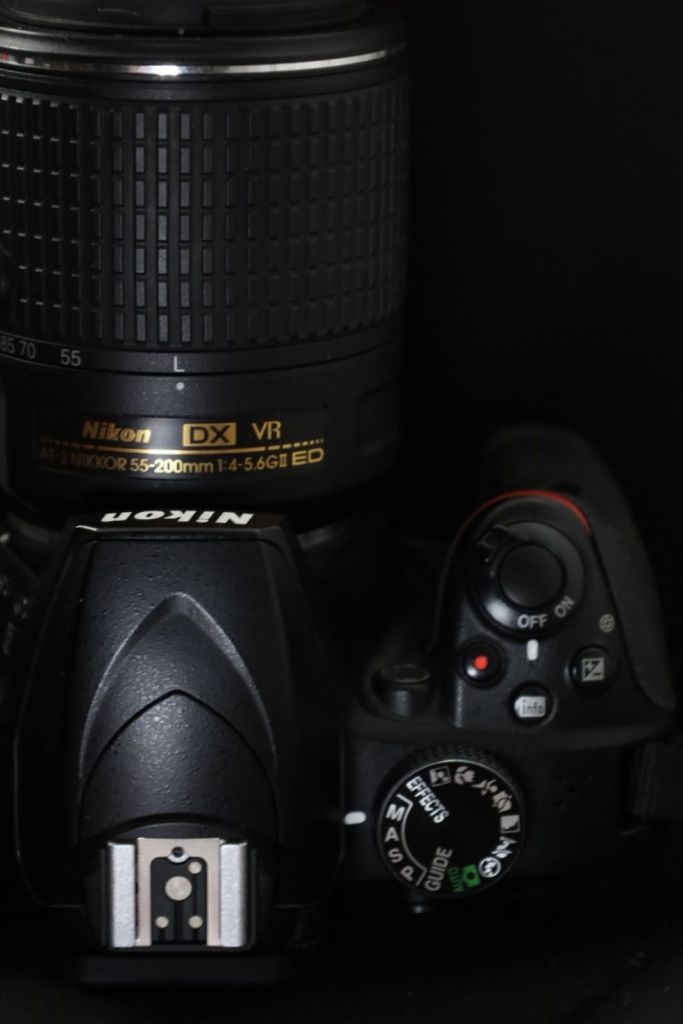
Nikon d3400 is a reliable camera – easy to use, light, ready when you are (battery is very good, you can leave it in standby for days), good dynamic range and acceptable ISO up to ISO 6400.
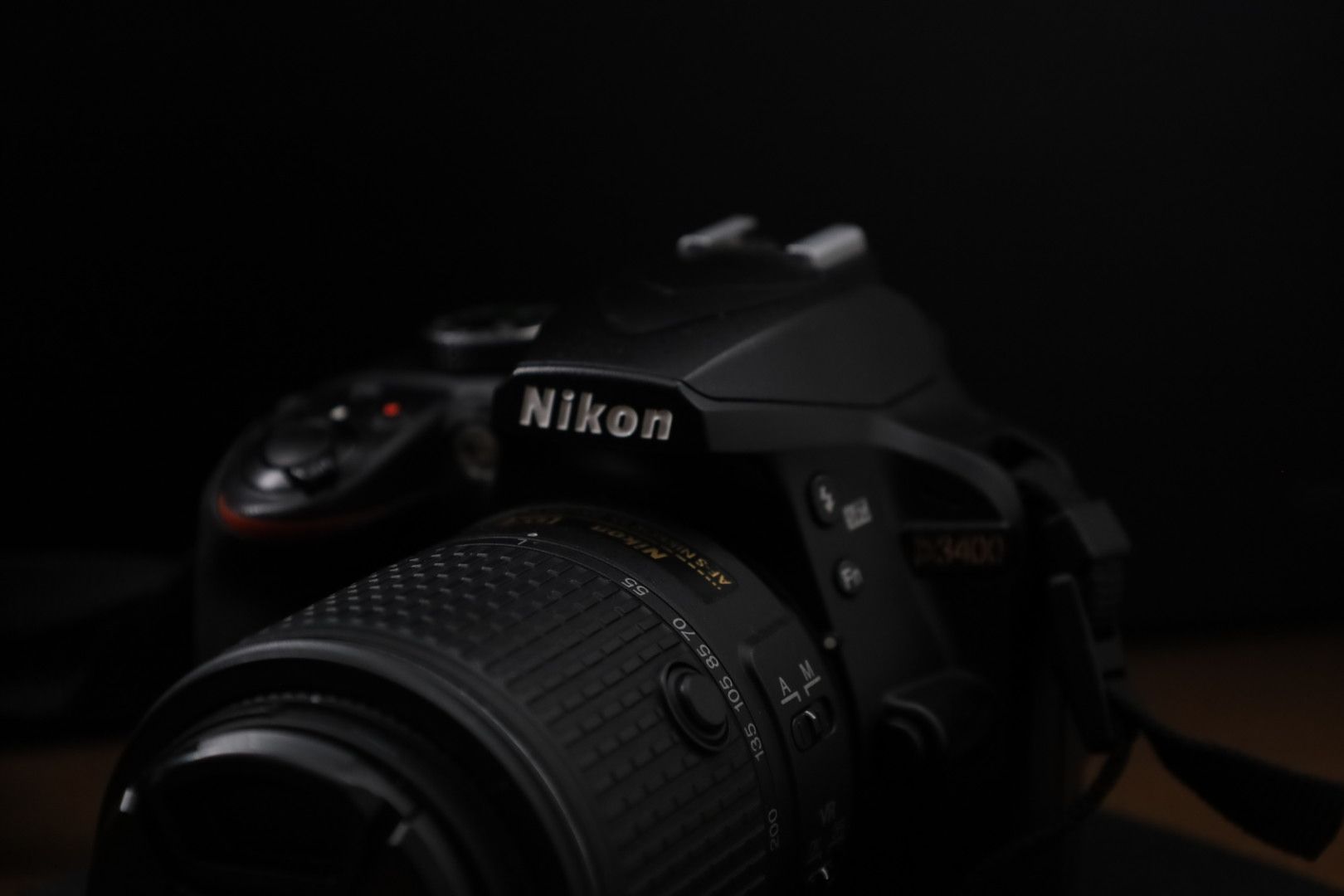
Every time I compared to other cameras, I always ended remaining with this one. For my specific needs there is no better camera than this. I am pleased with the available lenses and very pleased about the free editing Nikon NX Studio software.
Lenses
On Nikon I currently own the following lenses:
- the kit lens 18-55mm
- Sigma 17-50mm f2.8 on all the focal range (as a better kit alternative)
- a nice Nikon 10-20mm
- 50mm f1.8 (full frame/ but no stabilization)
- and a great telephoto 55-200mm
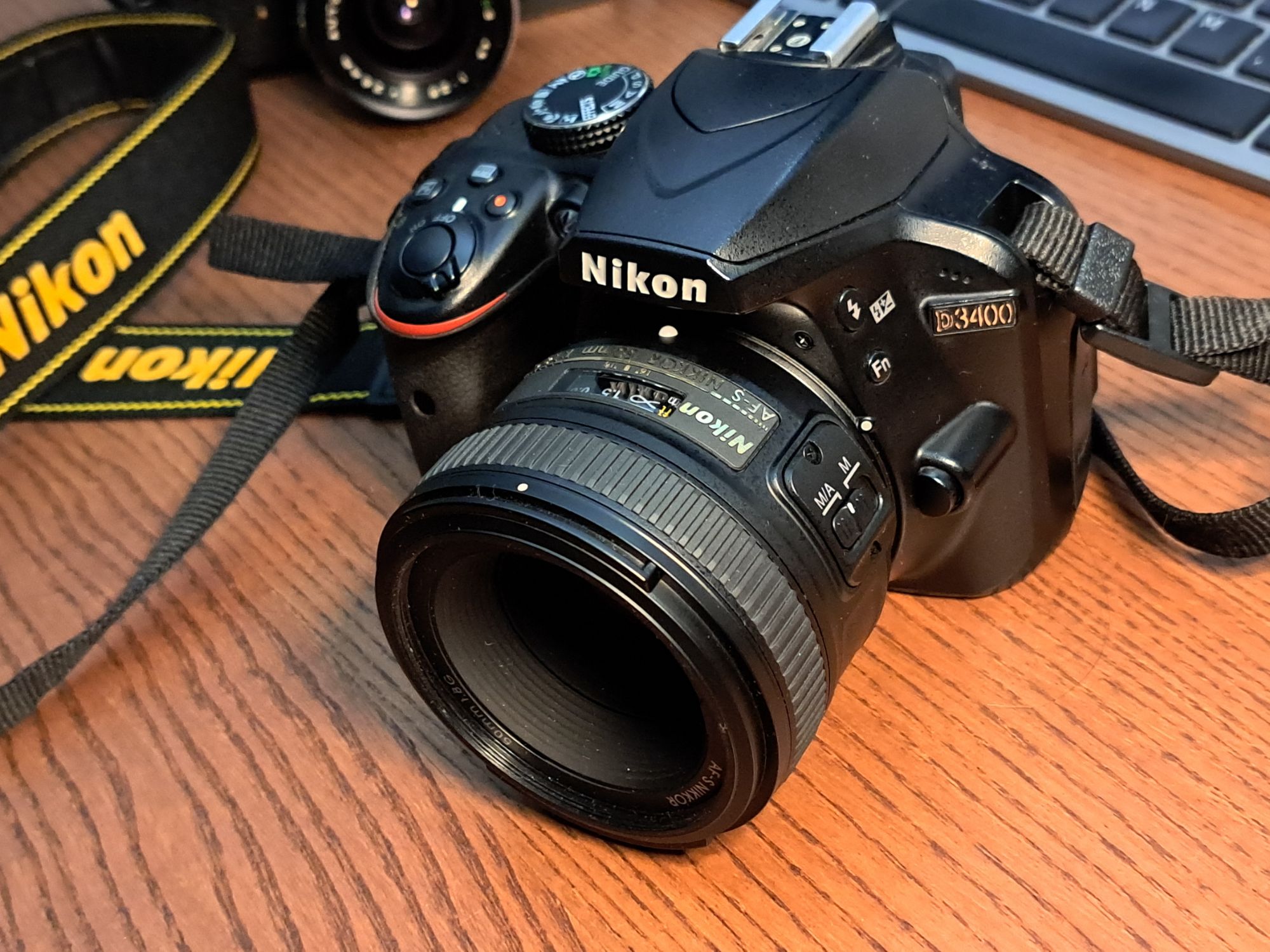
On Canon, I have:
- the kit 24-105mm, which I found is not long enough for me.
- prime 50mm f/1.8
- a manual Canon NewFD 135mm f/2.8 adapted with an URTH adapter.
Operation
It is very easy to operate in Manual mode. The Fn button I use it for ISO, the dial button is for Speed and the Exposure button for aperture. I can even set a back button focus using the AE-L/AF-L button. The rest, that is WB, Picture Style, Auto Focus, Sigle/Continuous shooting, are all very easy and fast to access on the back screen display.
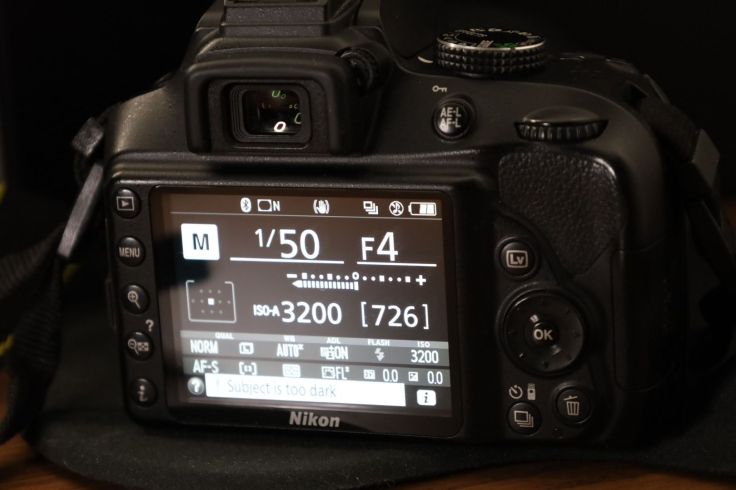
In Nikon case I get to operate fast, not needing to remember my customizations. On Canon, after couple of months, I still strugle know what customization I made. Somehow it feels more complicated. One perspective is that, it might be because of the position of the buttons. On Nikon, the buttons are at my fingertips. On Canon it seems that my fingertips are past over the buttons, and I believe my hands are on the small side. So because I am more at ease with Nikon in terms of button position, might influence the ideea that is more complicated on Canon.
Picture Control
By default, I did not like the “earthy” colors on people but managed to solved it by changing the WB setting to a warmer color. This is one point that I am not satisfied with Nikon. It seems that the colors are not exactly what I was expecting, that is to be as accurate as in reality. So after many searches I came to use more the Picture Control settings. Depending on the situation, different Picture styles are best. This is an aspect very different from film medium, where the “style” is the same for all the photos. If you want to change the “style” (Picture Control), you have to change the film. In canon I just use auto picture style.
Light feature
In Nikon there is the D-Light, but useful when shooting raw.
In Canon there is Auto Lighting Optimizer.
Connectivity
Nikon: Just Bluethoot – enough for my need: auto transfer small 2M jpeg after each shoot to my android.
Canon: Bluethooth and Wifi
End
In the end, these are just my very short observations of the two cameras. I still use both cameras. Nikon, because I am used to it and I like it for its simplicity. I believe I have all the lenses that I wanted, except the Nikon DX 16-80mm. Canon because of it can bring more into scene and for it’s autofocus on people eyes/face. One more reason I choose Canon full frame, is for potential compatibility with old lenses. When looking at Mamyia it is obvious for me that the size of the full frame lens are much smaller that the digital versions of today. That is because of their simplicity: lack of image stabilizer or autofocus. These old lenses have a plus, that is, I can buy very good lenses like f/1.8 with just few hundred dollards, versus thausands of dollards for the digital ones. I am now playing with the manual 135mm f/2.8 from the 1980s adapted to RP.
 Photon Memories
Leave a comment